Types
Neuromyelitis Optica
What is neuromyelitis optica?
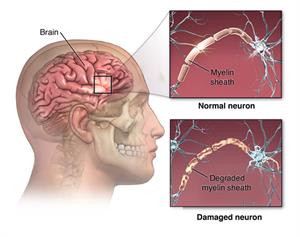
Neuromyelitis optica (NMO) is a rare autoimmune disease that affects the central nervous system. It's also called neuromyelitis optica spectrum disorder (NMOSD) or Devic's disease. NMO specifically affects the myelin, which is the insulation around the nerves. NMO mainly affects the spinal cord and the optic nerves. These are the nerves that carry signals from the eyes to the brain. As a result, the disease can cause paralysis and blindness.
The onset of NMO varies from childhood to adulthood, with two peaks, one in childhood and the other in adults in their 40s. Biological females are more often affected than biological males.
Experts used to think that NMO was a type of multiple sclerosis. They now think it may be a different condition. The conditions do have some similar symptoms; however, they are usually more severe in NMO. Vision problems with multiple sclerosis usually affect one eye at a time, while NMO may affect both eyes at the same time.
There are two types of NMO:
- Relapsing form, which has periodic flare-ups, with some recovery in between. This is the more common kind. Females are far more likely to have this form than men.
- Monophasic form, which involves a single attack that lasts a month or two then may be free from attacks for several years. Males and females get this type equally.
What causes neuromyelitis optica?
With NMO, your immune system attacks a substance in your body called myelin, the insulation around your nerves. Specifically, the myelin cells in the spinal cord and optic nerves are attacked. Usually, people with NMO have flare-ups of the disease that may strike months or years apart. Between these flare-ups, people may have some recovery.
What are the symptoms of neuromyelitis optica?
These are possible symptoms of NMO:
- Pain in the eyes
- Loss of vision
- Weakness or numbness in the arms and legs
- Paralysis of the arms and legs
- Difficulty controlling the bladder or bowels
- Uncontrollable vomiting and hiccups
How is neuromyelitis optica diagnosed?
Your doctor may do a variety of tests if they suspect NMO, such as:
- An MRI scan of your brain and spinal cord.
- Tests to check on how well your optic nerves are working.
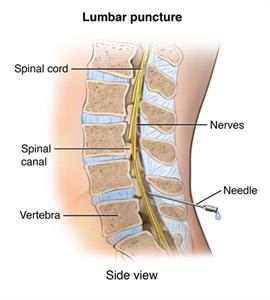
- Samples of your blood and spinal fluid to check for signs of the disease.
How is neuromyelitis optica treated?
Experts don't consider this condition curable. But your doctor can prescribe medicines or other treatments to reduce the effects of the disease and relieve symptoms. These may include:
- Corticosteroid medicines to halt the immune system's effect on your nerves.
- Immunosuppressant medicines.
- A process called plasmapheresis, also known as plasma exchange, which removes harmful antibodies from the blood that may be playing a role in the condition.
- Other treatments to address symptoms such as pain and loss of bowel and bladder control.
You may also need help to cope with blindness and paralysis.
What are possible complications of neuromyelitis optica?
There are several possible complications of NMO including:
- Visual impairment or blindness.
- Paralysis or weakness of one or more limb.
- Stiffness or muscle spasms.
- The loss of bowel or bladder control.
- Depression.
- Fatigue.
Living with neuromyelitis optica
Disability from NMO may become worse over time. Most people with NMO develop weakness in their arms and legs. Others may have more severe symptoms. Some people with NMO need to start using a ventilator. This is a machine that helps them breathe. They may also need to work with an occupational therapist or social worker to address their disabilities.
If you or a family member is diagnosed with NMO, it is important to build a support system that includes family, friends, professionals, and support groups. A person with major disabilities may need the support of neurologists who specialize in NMO, occupational therapists, physical therapists, and social services professionals.
When should I contact my doctor?
Contact your doctor or seek medical care right away if you:
- Notice sudden changes or find you need more help than usual.
- Have a change in mood.
- Have symptoms of depression or feelings of suicide.
Key points about neuromyelitis optica
- NMO is a rare but serious disease that affects the central nervous system. NMO mainly affects the spinal cord and optic nerves.
- There is no cure. But there are medicines and treatments that may inhibit future disease flares.
- Many health care providers, including physical and occupational therapists and social workers, can help you deal with your disease.
Next steps
Tips to help you get the most from a visit to your doctor:
- Know the reason for your visit and what you want to happen.
- Before your visit, write down questions you want answered.
- Bring someone with you to help you ask questions and remember what your doctor tells you.
- At the visit, write down the name of a new diagnosis and any new medicines, treatments, or tests. Also write down any new instructions your doctor gives you.
- Know why a new medicine or treatment is prescribed and how it will help you. Also know what the side effects are and when they should be reported.
- Ask if your condition can be treated in other ways.
- Know why a test or procedure is recommended and what the results could mean.
- Know what to expect if you do not take the medicine or have the test or procedure.
- If you have a follow-up appointment, write down the date, time, and purpose for that visit.
- Know how you can contact your doctor if you have questions.
Author: Ignite Staff
Online Medical Reviewer: Anne Fetterman RN BSN
Online Medical Reviewer: Heather M Trevino BSN RNC
Online Medical Reviewer: Rita Sather RN
Date Last Reviewed: 02/01/2024
© 2000-2026 The StayWell Company, LLC. All rights reserved. This information is not intended as a substitute for professional medical care. Always follow your healthcare professional's instructions.
Related Articles
Discharge Instructions for Nerve/Muscle Biopsy
You had a nerve/muscle biopsy. This procedure is done to identify a disease. It can also check the condition of your nerves, muscle, or both. Learn how to care for your incision after the procedure.
Evoked Potential Testing
Your healthcare provider may order evoked potential tests. These check the signals your brain and spinal cord (parts of your nervous system) receive from other parts of your body. They are also used to check for vision, hearing, and sensory or motor problems.
Rehabilitation After a Spinal Cord injury
Rehabilitation is an important part of your recovery after a spinal cord injury. Rehab can help you relearn how to control your body, take care of yourself, and get back to doing as many activities of daily living as possible.
Choroid Plexus Papilloma
Choroid plexus papilloma (CPP) is a rare type of brain tumor. These tumors are usually not cancerous. This condition is most common in young children, but it can also occur in adults.


