Related Conditions
Depression Not a Normal Part of Aging
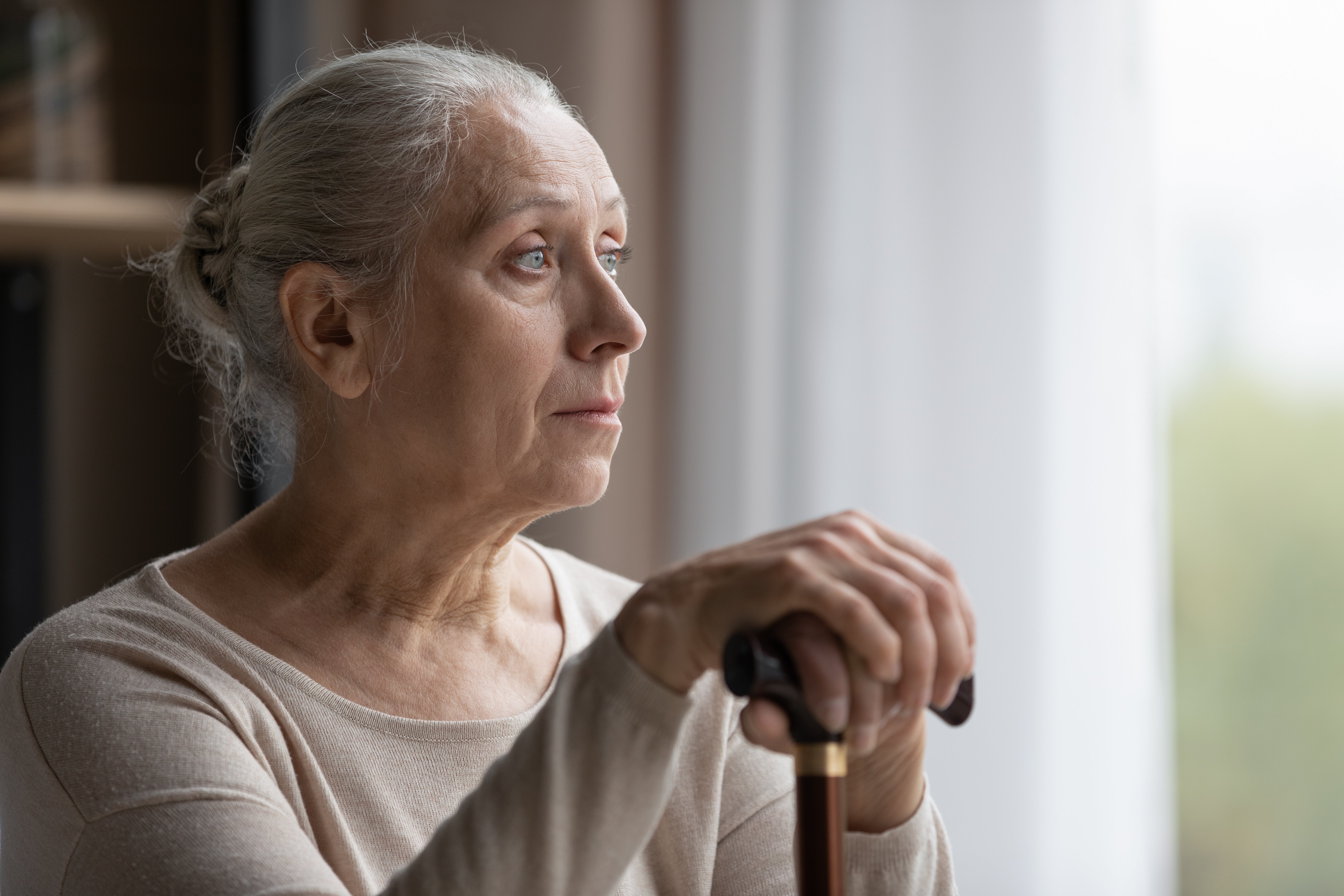
Depression is not a natural part of growing old. It's a health condition that should be treated seriously and proactively.
Depression in older adults, or in anyone, is a serious, treatable illness, just like diabetes or high blood pressure. Some groups are at higher risk. But the average older adult is not depressed any more than a young person. Depression affects about 7 million out of the 39 million U.S. adults older than age 65. Certain things may add to older adults' risk for depression. These include losing control over changes linked to aging. And losing people they love.
Missed diagnosis
Depression in older adults is often not diagnosed. That's because of stereotypes that family, caregivers, and even healthcare providers have that older adults are depressed in general. Older adults may hide their depression by complaining about a physical problem. This makes it harder to diagnose.
Common signs of depression include:
-
Sleep problems, including too little or too much sleep, or getting up earlier than desired
-
Less pleasure and interest in previously enjoyed activities
-
Less energy or focus
-
Increase or decrease in appetite
-
Feelings of hopelessness or helplessness
-
Increased use of alcohol or drugs
-
Isolation
-
Thoughts of death or suicide
-
Self-destructive and suicidal behavior
-
Irritability
-
Difficulty making decisions, concentrating, or remembering details
-
Complaints of headaches, cramps, aches, pains, or digestive problems that do not get better, even with treatment
Older adults are more likely to die by suicide than any other age group. Of every 100,000 people age 75 and older, 19.1 died by suicide. This figure is higher than the national average of 13.48 suicides per 100,000 people. Non-Hispanic white men older than 85 have the highest suicide rates: 47.8 per 100,000 people. Many of these men visited their healthcare provider in the last month.
Depression often happens at the same time as another serious illness. This can include heart disease, stroke, diabetes, and cancer.
Lingering symptoms
Healthcare providers look for depression symptoms that go on for weeks at a time. If you have symptoms, your healthcare provider will also do a physical exam. They will rule out other causes for the symptoms. These can include certain medicines or health conditions. A person who is physically ill and not getting better often has an underlying depression. Medicine, psychotherapy, or a combination of both can be effective in treating depression. Mild cases of depression may be eased by psychotherapy alone. People with moderate to severe depression often need antidepressant medicine. To protect older adults against another bout of depression, it's advised to follow up for 6 months to a year after the person is free of symptoms.
You can help prevent depression by staying active and being connected to other people through family, community activities, senior groups, or a religious affiliation.
If you see signs of depression in yourself, a friend, or a family member, don't wait until it becomes severe. Talk with your healthcare provider about your own symptoms. Or talk to the person with depression. Encourage them to speak with a healthcare provider. And to get treatment from a mental health provider.
Featured in
Online Medical Reviewer: L Renee Watson MSN RN
Online Medical Reviewer: Marianne Fraser MSN RN
Online Medical Reviewer: Sabrina Felson MD
Date Last Reviewed: 09/01/2023
© 2000-2026 The StayWell Company, LLC. All rights reserved. This information is not intended as a substitute for professional medical care. Always follow your healthcare professional's instructions.
Related Articles
Preventing Falls: Staying Active
Staying active is one of the best things you can do to prevent falls. Start slowly and work up to doing more.
Standing with a Walker (Non-Weight Bearing)
These images will show you how to safely stand up using a walker.
Using a Cane
These images show cane use.
Sex and Aging: Talking About Sex
As you grow older, your sex life may change. But that doesn't mean it has to end.


