Insulin pumps are used most often by people with type 1 diabetes. But some people with type 2 diabetes also use them. Insulin pumps can be used instead of giving insulin by injection. The Food and Drug Administration (FDA) allows children as young as age 2 to use certain insulin pumps.
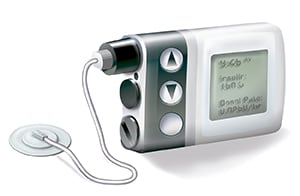
These small devices clip to your clothing or attach directly to your body. The pump delivers insulin through a tube (catheter) attached to your skin, often on the belly, thigh, or buttock. It delivers a continuous (basal) dose of insulin 24 hours a day. Before a meal, you push a button to give yourself a spike of insulin for food. Supplemental or correction doses may be used to treat high glucose levels, if needed.
Pumps are useful for people who already take insulin but still don't have good glucose control. Using a pump takes a lot of training. They are not for everyone. You must work closely with a diabetes specialist, watch your blood glucose, count carbohydrates, and keep food records. But it may be worth thinking about if you take insulin and still have trouble with glucose control. And if you're committed to better diabetes management, you may want to try a pump. It may be expensive. But it is much more convenient for some people who need four or more insulin injections daily.
New insulin pump models and similar systems are becoming available all the time. One of these newer pump models may have a feature that is just right for you, such as a lower basal insulin rate during exercise. Or a pump may be connected to a monitor that also checks your blood sugar. It makes changes based on your blood sugar values. Your diabetes educator can help you try several types until you find one that works well for you.
Author: Ignite Staff
Copyright ©2026 HealthDay. All rights reserved.
Related Articles
Diabetes: Meal Planning
Your care team can help you create a nutritious meal plan to best manage your diabetes. Read on for some helpful tips.
How to Manage Diabetes During Illness
The stress of illness or injury can cause blood sugar to rise and make insulin less effective. Learn what to do during an illness when you have diabetes.
Diet: Diabetes
Food is an important tool that you can use to control diabetes and stay healthy. A registered dietitian can help you plan healthy meals and snacks. Here are some general guidelines to get you started.
Diabetes: Tracking Your Fitness Progress
Tracking your fitness progress can help you improve your long-term health. Seeing how far you've come may motivate you to achieve more. Your healthcare provider can also use a record of any progress to help plan your treatment.


