To control acid reflux, you’ll need to make some basic diet and lifestyle changes. The simple steps outlined below may be all you’ll need to ease discomfort.
Watch what you eat
-
Don't eat fatty or spicy foods.
-
Eat fewer acidic foods. These include foods with citrus and tomatoes. These can make your symptoms worse.
-
Limit drinks that are fizzy or have alcohol or caffeine. These all increase acid reflux.
-
Limit foods and drinks with chocolate, peppermint, or spearmint. These can make acid reflux worse in some people.
Watch when you eat
-
Don't lie down for 3 hours after eating.
-
Don't snack before going to bed.
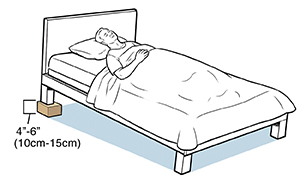
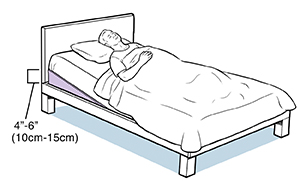
Tilt your upper body
Raise your upper body by 4 to 6 inches (10 to 15 cm) when you’re lying down. This helps limit reflux. Put blocks under the head of your bed frame or a wedge under your mattress to raise it.
Other changes
-
Lose weight, if you need to.
-
Don’t exercise near bedtime.
-
Don't wear tight-fitting clothes.
-
Limit your use of aspirin and ibuprofen.
-
Stop smoking, if you smoke.

Related Articles
Soft Diet
Your healthcare provider has prescribed a soft diet. This means eating foods that are soft, low in fiber, and easy to digest. Here are some general guidelines to get you started.
Continuous Tube Feeding
Here you will find information on filling and connecting the bag and turning on the pump for continuous tube feeding.
Diet for Vomiting or Diarrhea (Adult)
Here's what to eat and drink for the first few days after you've had vomiting or diarrhea.
Ileostomy: Caring for Your Stoma
You need to take care of your stoma and the skin around it (peristomal skin). That means keeping the stoma and the skin clean. It also means protecting the skin from moisture and contact with stool. This helps prevent skin problems and odor.


