After percutaneous coronary intervention (PCI) expect that you’ll need regular follow-up appointments with your healthcare provider. The first appointments just after the procedure will focus on how well you are healing after your angioplasty. Later appointments will look at your overall heart health. They will help you address risk factors for heart disease.
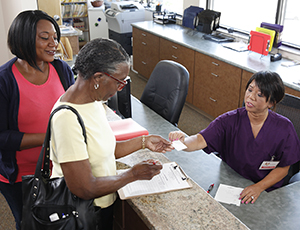
Before you go home, your healthcare team will schedule your first follow-up visit. Be sure your appointment is on a day that you can make it. You may want to arrange for someone to help you get to and from your first follow-up appointment. Follow all of the instructions your provider has given you after your procedure. Call if you have questions.
You’ll see your healthcare provider who did the PCI for your first follow-up visit. This will be about a week after the procedure. This provider will check the site where the catheter was inserted. You may also have tests to check your heart and overall health. Going forward, you may need to see your heart care provider or primary care provider regularly. These visits allow your healthcare provider to track your health. They will help manage your heart disease.


Related Articles
Taking Blood Thinners After Percutaneous Coronary Intervention (PCI)
After PCI, you'll need to take blood thinners to prevent blood clots.
PAD Treatment: Recovering at Home from Angioplasty
See what to expect as you recover from your angioplasty and stenting procedures.
Discharge Instructions for Cardiomyopathy
Cardiomyopathy means that your heart is not functioning normally. It can make it more difficult to do things that may have been easy for you in the past.
Discharge Instructions: Taking Fast-Acting Nitroglycerin
Your health care provider prescribed nitroglycerin for you. Fast-acting nitroglycerin can stop an angina attack.


