A BiPAP is a device that helps with breathing. It stands for bilevel positive airway pressure device. It may be used when a health problem is making it hard for you to breathe. A BiPAP can help you breathe if you have any of these:
-
Chronic obstructive pulmonary disease (COPD)
-
Obstructive sleep apnea
-
Obesity hypoventilation syndrome
-
Pneumonia
-
Asthma flare-up
-
Poor breathing after surgery
-
A neurological disease that disturbs breathing
How does a BiPAP help?
During normal breathing, air moves into your lungs when you expand them, bringing oxygen into your body. If you have trouble breathing enough on your own, a BiPAP machine can help push air into your lungs.
During use, you wear a mask or nasal plugs. These are linked to a tube that leads to a BiPAP machine. The machine sends pressurized air into your airways. The machine helps open your lungs with this air pressure. This is called positive pressure ventilation.
BiPAP delivers higher pressure when you breathe in and lower pressure when you breathe out. This is different from continuous positive airway pressure (CPAP), which sends the same amount of pressure as you breathe in and out. Some health problems respond better to BiPAP than to CPAP.
Your health care team will determine the settings on the BiPAP and tell you when you need to wear it.
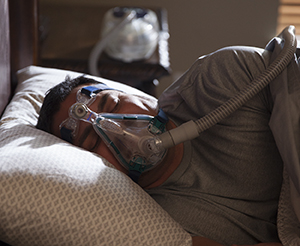
What are the risks of BiPAP use?
A BiPAP is usually very safe. It's a type of noninvasive ventilation. This means no tubes are placed into your body or lungs. Thus, it has a lower risk for complications compared with some other types of ventilator support, such as a tracheostomy. The most common problem with a BiPAP is a facemask that fits too tightly. Some other risks include:
-
Skin irritation from the mask.
-
Mild stomach bloating.
-
Dry mouth.
-
Air leaking from the mask, causing a drop in air pressure.
-
Eye irritation.
-
Sinus pain or sinus congestion.
Your own risks may be different. This depends on your age, how long you need the BiPAP, and your overall health. Talk with your provider about any concerns.

Related Articles
Chest and Lung Problems
Learn about the common types of chest and lung problems, such as masses, infections, airway diseases, and other diseases.
Understanding Pulse Oximetry
Pulse oximetry is a quick, painless test that’s used to measure the oxygen level (oxygen saturation) in your blood cells.
Lung Anatomy
A helpful diagram of the different parts of the lung.
Understanding Asthma
Asthma causes swelling and narrowing of the airways in your lungs. Here's what you need to know about how asthma affects your lungs, and what to do when you have asthma flare-ups.


