A BiPAP is a device that helps with breathing. BiPAP delivers an inhale pressure and an exhale pressure. It may be used when a health problem is making it hard for you to breathe.
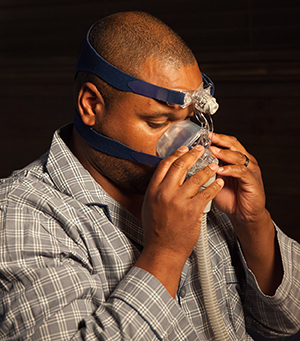
The BiPAP machine
You should be familiar with the parts of your BiPAP machine. They include:
-
A facemask, nasal mask, or nasal plugs
-
The machine’s motor, which blows air into a tube
-
The tubing that connects the machine’s motor to the mask or plugs
Your BiPAP machine might also have other features, such as a heated humidifier.
Before you start BiPAP therapy, your machine may need to be calibrated. Someone from your care team will adjust the settings. That person is often a respiratory therapist. The settings need to be correct so you receive the right therapy. You may also get other instructions on how to get ready for your BiPAP therapy.
When to use your BiPAP
You might get BiPAP therapy while at the hospital for a breathing emergency. You also might use it at home for an ongoing (chronic) condition. Follow your doctor’s instructions about when to use your BiPAP. You might need to use it only while you sleep. Or you might need to use it all the time. Use it exactly as instructed. Otherwise you will not get the full benefits from your BiPAP therapy.
Getting used to your BiPAP
When you first start using BiPAP, you may feel uncomfortable. It may feel odd wearing a mask and feeling the flow of air. Over time, you should get used to it. If you feel like you really can’t breathe while using BiPAP, talk with your doctor. They may need to adjust the pressure settings on your machine.
It’s important not to eat or drink anything while using BiPAP. You might inhale food or liquid into your lungs if you do so. Your doctor may give you other instructions about the best way to use your machine.
If your health problem gets better, you may be able to start using less pressure on your BiPAP machine. Or you might be able to use the machine less often. Work with your care team to help get the best treatment.
BiPAP settings
The BiPAP device settings are given as centimeters of water, or cm H2O. Each person’s pressure settings are different. Your doctor will tell you what settings to use. Never change your BiPAP pressure setting unless your doctor tells you to.
BiPAP ____________cm H20 pressure when you breathe in
BiPAP ____________cm H20 pressure when you breathe out
Fixing problems with your BiPAP
Talk with your care team if you have any problems. They can help you address the issue.
-
Nasal dryness. A humidifier may help reduce nasal dryness.
-
Eye or sinus symptoms. Using a facemask instead of a nasal mask may also help reduce any eye or sinus symptoms.
-
Headaches. If you get headaches, they could be because of sinus congestion. In some cases, your doctor might prescribe nasal saline or an antihistamine for these symptoms.
-
Leaky mask, skin irritation, or pressure lines. You may need a different size or type of mask. You may also find that adjusting the straps around your mask helps.
-
Stomach bloating. Your doctor may be able to reduce the pressure setting on your machine to stop stomach bloating.
-
Noise. If the noise from the BiPAP bothers you, try using earplugs. If the device is very loud, check with the medical supplier to make sure it is working correctly.
Call 911
Have someone call
-
Have problems breathing or are unable to breathe.
-
Feel faint or become unresponsive.
-
Have skin or lips that look blue, purple, or gray.
-
Are confused.
When to contact your doctor
Contact your doctor right away if:
-
You feel like you can’t breathe while using your BiPAP.
-
Your mask is constantly leaking air and you can’t make it fit.
-
You have severe or ongoing skin irritation from your mask.
-
Your stomach is bloated.
-
You are coughing or wheezing more.
-
You have new symptoms or other symptoms that are worse.

Related Articles
COPD: Chronic Coughing
When you have COPD, you may have a cough that won’t go away. This is called a chronic cough.
Lung Cancer: Managing Shortness of Breath
Dyspnea is the technical word for difficulty breathing. It's a common symptom in people who have lung cancer or have cancer that has spread to the lungs.
Shortness of Breath: Maximizing Your Energy
When you have lung problems, you can help yourself feel better by conserving your energy. Pacing yourself, simplifying tasks, and not bending and lifting will let you do more without getting short of breath.
Exercising with Chronic Lung Disease: Taking the First Step
Before you start exercising, the pulmonary rehab team will assess your needs. If you have joint pain or any other health problems, be sure to discuss them with the team.


