The perineum is the area of tissue between the vagina and anus. After childbirth, this area may be very sore. It stretches a lot during a vaginal birth. Tissue in the area may tear. Or it may have been cut during childbirth (episiotomy). The area may ache or have sharp pains. It may be swollen. You may have bleeding. It may be hard for you to sit or go to the bathroom. Pain and swelling can last for 7 to 10 days after childbirth. This sheet will help you take care of your discomfort.
How to say it
payr-uh-NEE-uhm
Managing pain
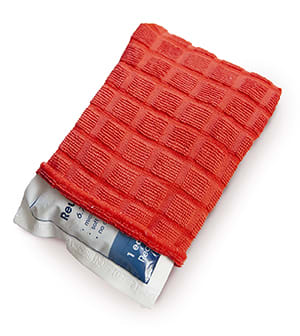
These can help ease your pain:
- Pain medicine. Ibuprofen or acetaminophen can help reduce pain. Ask your doctor what dose is safe if you are breastfeeding.
- Cool pack. Put an ice pack or cool pack on your perineum. Protect your skin with a thin towel. Keep the cool pack in place for 10 to 20 minutes at a time. You can do this several times a day, as needed.
- Cool sitz baths. This means sitting in a shallow tub of cool water for 20 to 30 minutes. Make sure your sore areas are fully in the water. You can do this several times a day as needed. Have a sitz bath after every bowel movement.
- Medicated spray. You can use a pain-relief spray on the area as advised by your doctor.
Tell your doctor if you can't urinate because of pain. You may need a catheter while your perineum heals. A thin, flexible tube (catheter) will be put into your urethra. Your urine will collect in a bag.
Until you are cleared by your doctor:
- Don't use tampons or put anything in your vagina.
- Wait to have sex until you talk to your doctor about it. Most doctors recommend waiting about 6 weeks after giving birth to have sex again. You may still feel some pain.
If you had an episiotomy or tear
An episiotomy is a cut (incision) made to make the opening of the vagina larger. Or the tissue may tear on its own. Stitches are used to repair the skin in the perineum. The stitches will dissolve on their own in a few weeks. They don't need to be removed by your doctor. You need to lower the risk of infection by keeping your stitches clean. To do this:
- Gently wipe or pat from front to back after you have a bowel movement, or take a sitz bath.
- After wiping, spray warm water on the stitches with a squirt bottle. Pat dry.
- After urination, it's okay not to wipe. Just spray with warm water and then pat dry.
- Don't use soap or any cleaner except water unless your doctor advises it.
- Change your sanitary pads at least every 2 to 4 hours.
Preventing constipation
Straining to have a bowel movement can make your perineum hurt more. To help prevent constipation:
- Get enough fiber in your daily diet. Eat fresh fruits and vegetables and whole grains.
- Drink plenty of fluids every day.
- Use a stool softener or laxative if needed. Talk with your doctor before taking medicine if you are breastfeeding.
When to contact your doctor
Contact your doctor if any of these occur:
- Fever of
100.4°F (38°C) or higher, or as advised by your doctor - Redness, swelling, or pain in your perineum area that gets worse
- Pain that is not helped with medicine
- Fluid leaking from your stitches
- Stitches that are pulling apart
- Trouble controlling your urine or stool
- Other new symptoms

Related Articles
Labor and Childbirth: Right After Birth
After childbirth, most women shake and get chills. This is over quickly. Your temperature and blood pressure are watched until they are stable. The baby's umbilical cord is clamped and cut, usually after a beneficial delay of 30 to 60 seconds after birth.
Understanding Postpartum Depression
You've just had a baby. You know you should be excited and happy. Instead you find yourself crying for no reason. You feel sad, tired, and hopeless most of the time. You may even feel ashamed or guilty. Postpartum depression is not your fault. Read on to learn how to get help and feel better.
Diabetes: After Delivery (Postpartum)
Pregnancy changes your body in many ways. If you have diabetes, pregnancy can also change how your body uses insulin. You’ll need to adapt your diabetes management plan before, during, and after giving birth. Your doctor will work with you to help you keep diabetes under control.
Discharge Instructions for Amniocentesis
You had an amniocentesis. This is a prenatal test. It helps you learn whether a fetus has health problems. The test is most often done between the 15th and 20th week of pregnancy. It is also done to check the condition of the lungs of a baby who will be delivered several weeks early.


