Overview
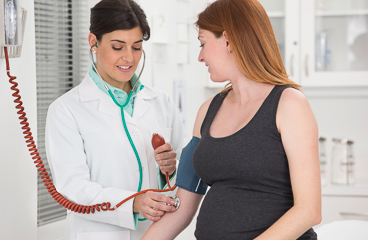
It's common to have concerns about what might be a problem during your pregnancy. Most pregnancies don't have
any serious problems. But it's still important to know when to call your doctor if you have certain symptoms.
These are general suggestions. Your doctor may give you some more information about when to call.
When to call your doctor (up to 20 weeks)
Call 911 anytime you think you may need emergency care. For example, call if:
-
You have severe vaginal bleeding. This means you are soaking through a pad each hour for 2 or more hours.
-
You have chest pain, are short of breath, or cough up blood.
-
You have sudden, severe pain in your belly.
-
You passed out (lost consciousness).
Call your doctor now or seek immediate medical care if:
-
You have a fever.
-
You have vaginal bleeding.
-
You are dizzy or lightheaded, or you feel like you may faint.
-
You have signs of a blood clot in your leg (called a deep vein thrombosis), such as:
-
Pain in the calf, back of the knee, thigh, or groin.
-
Swelling in your leg or groin.
-
A color change on the leg or groin. The skin may be reddish or purplish, depending on your usual skin
color.
-
-
You have symptoms of a urinary tract infection. These may include:
-
Pain or burning when you urinate.
-
A frequent need to urinate without being able to pass much urine.
-
Pain in the flank, which is just below the rib cage and above the waist on either side of the back.
-
Blood in your urine.
-
-
You have belly pain.
-
You think you are having contractions.
Watch closely for changes in your health, and be sure to contact your doctor if:
-
You have vaginal discharge that smells bad.
-
You feel sad, anxious, or hopeless for more than a few days.
-
You have other concerns about your pregnancy.
Follow-up care is a key part of your treatment and safety. Be sure to make and go to all
appointments, and call your doctor if you are having problems. It's also a good idea to know your test results
and keep a list of the medicines you take.
Current as of: July 10, 2023
Content Version: 14.0
Care instructions adapted under license by your
healthcare professional. If you have questions about a medical condition or this instruction, always ask
your healthcare professional. Healthwise, Incorporated disclaims any warranty or liability for your use of
this information.
Featured in

Related Articles
Labor and Childbirth: Preparing to Go Home
You may be anxious to go home as soon as possible. Before you and your baby go home, a healthcare provider will make sure that your baby has no health problems. You will also be checked to be sure you are healthy enough to take care of your baby and yourself.
Exercising After Pregnancy
Exercise is great after pregnancy. Here are some tips for how you can exercise safely.
Postpartum Hemorrhage
Postpartum hemorrhage is more bleeding than normal after the birth of a baby. It is more likely with a cesarean birth. It most often happens after the placenta is delivered, but it can also happen later. Read on to learn more.
Postpartum Care: Vaginal Birth: Baby in NICU
OverviewWhen your baby is in the neonatal intensive care unit (NICU), you may feel a wide range of emotio...


