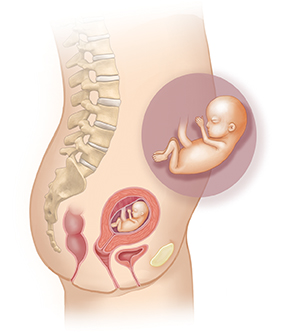
The first trimester is a time of rapid development for your baby. Because your baby is growing so quickly, it is important that you start a healthy lifestyle right away. By the end of the first trimester, your baby has formed all of its major body organs and weighs just over an ounce.
Month 1 (weeks 1 to 4)
The placenta (the organ that nourishes your baby) begins to form. The brain, spinal cord, heart, gastrointestinal tract, and lungs begin to develop. Your baby is about ¼ inch long by the end of the first month.
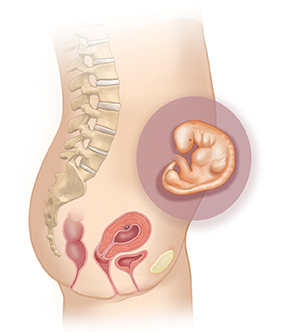
Month 2 (weeks 5 to 8)
All of your baby’s major body organs form. The face, fingers, toes, ears, and eyes appear. By the end of the month, your baby is about 1 inch long.
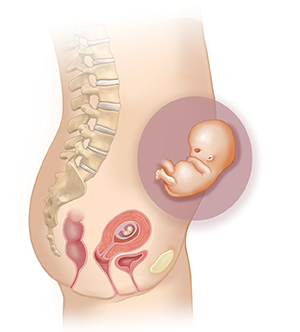
Month 3 (weeks 9 to 12)
Your baby can open and close its fists and mouth. The sexual organs begin to form. As the first trimester ends, your baby is about 3 inches long.

Related Articles
Dilation and Curettage (D and C)
Dilation and curettage or D&C is surgery to remove abnormal tissues in the uterus.
Premature Labor
Premature labor is when symptoms of labor occur before 37 weeks of pregnancy. Premature labor can lead to premature delivery.
Mastitis
This condition means swollen, painful breasts. It most often affects women in their first 6 weeks of breastfeeding.
Back Pain During Pregnancy: Positioning Yourself
Did you know that standing, sitting, or lying in certain ways can lead to back pain? To ease pain, use positions that support your body comfortably.


