Your baby is having surgery. You may have concerns about how you and your infant will cope with this experience. Knowing what to expect can help you feel better about surgery. Read this sheet to find out ways you can help prepare your baby for surgery.
How will your baby cope with surgery and being in the hospital?
Babies use their senses to learn about what’s around them. They can also sense feelings and emotions. The following are things associated with hospitals and surgery that can upset your baby:
-
Young babies may be startled by loud noises, and sights and smells that they aren’t used to.
-
A healthcare professional will direct you not to feed your baby for a certain amount of time before surgery. This may cause your child to become fussy or cry. A pacifier may help your child cope during this time.
How can you help get your baby ready for surgery?
-
Take a tour of the surgery department if the hospital has this choice. This can help you become more comfortable with the hospital setting before your baby’s surgery.
-
Keep your emotions under control. If you’re upset, your baby may respond in a similar way. Try to stay calm and relaxed.
-
Participate in your baby's care as much as possible when in the hospital. If your baby needs soothing, do what normally works. This may include the following:
-
Hold or rock your baby.
-
Touch or stroke your baby’s hair.
-
Speak or sing to your baby. Your familiar voice is comforting.
-
-
Bring your baby’s favorite item, such as a stuffed animal or security blanket, with you to the hospital. Keep it with your baby at all times. This familiar object can help soothe your baby.
-
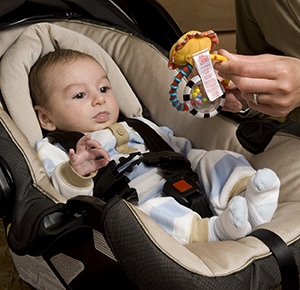
Have items ready, such as a rattle or musical toy, to soothe or distract your baby when needed.
How a child life specialist can help
Many hospitals have a child life specialist. This person is specially trained to help children understand and cope with their hospital experience. Families can arrange to see a child life specialist when their child is scheduled for surgery. The child life specialist uses age-appropriate items, such as books, dolls, and toy medical or hospital equipment to explain surgery. Parents and siblings are encouraged to attend and take part in these sessions. In the case of babies, a child life specialist can meet with parents or siblings of babies to help them understand and cope with surgery.
Featured in


Related Articles
The Operating Room
Your child will need to know that people in the operating room will be wearing surgical clothes to help prevent germs from infecting the surgical incision.
When Your Child Needs Surgery: The Operating Room and Staff
Help your child get ready for surgery by learning more about the operating room staff and the kind of equipment they might see. Knowing what to expect can help you and your child feel more comfortable about surgery.
The Surgical Team for Children
Most surgical teams include a surgeon, an anesthesiologist, a nurse anesthetist, and an operating room nurse. The number of team members differs depending on the type of surgery performed.
Helping Siblings Cope with Your Child's Surgery
When a child is having surgery, it's important to remember that siblings are also affected. They may not understand why their brother or sister needs surgery. Knowing what to expect can help them be more comfortable with the idea of surgery.


