Pain after an operation (post-op pain) is common and expected. These guidelines can help you stay as comfortable as possible.
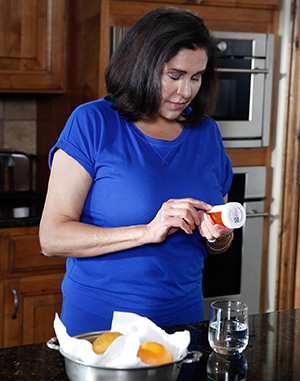
Taking pain medicines
-
Take only the medicines that your health care provider tells you to take.
-
Don't take more than prescribed. Don't take your next dose sooner than prescribed.
-
Take pain medicines with some food to prevent an upset stomach.
-
Don’t drink alcohol while using pain medicines.
-
Don't drive while taking opioid pain medicines.
Types of pain medicines
Non-opioid
-
Check with your health care provider before you take any over-the-counter (OTC) pain reliever in addition to or instead of your prescribed pain medicine.
-
Non-opioids include OTC acetaminophen and ibuprofen and some prescription pain relievers.
-
All relieve mild to moderate pain. Some reduce swelling.
-
Possible side effects include stomach upset and bleeding. High doses may cause kidney or liver problems.
Opioid
-
Opioids are available only by prescription.
-
Opioids ease moderate to severe pain.
-
Possible side effects include stomach upset, nausea, drowsiness, rash, and itching.
-
Opioids may cause constipation. To help prevent this, eat high-fiber foods and drink plenty of water.
-
Your health care provider may recommend a stool softener.
-
Don't drive, make important decisions, or operate machinery while taking opioids.
When to call your doctor
Contact your health care provider or seek medical attention right away if you:
-
Have nausea, vomiting, diarrhea, constipation, or stomach cramps.
-
Have breathing problems or a fast, racing heart rate. (Call 911.)
-
Feel tired, sluggish, or dizzy.
-
Have a skin rash or other allergic symptoms.
-
Have pain that is not eased with the pain medicine.


Related Articles
Discharge Instructions: Caring for Your Jackson-Pratt Drainage Tube
Doctors commonly leave this drain within the abdominal cavity after surgery. It helps prevent swelling and reduces the risk for infection. The tube is held in place by a few stitches. It is covered with a bandage. Your doctor will remove the drain when he or she determines you no longer need it.
Post-Surgery Checklist
After surgery, there are steps you can take to help with your recovery. You may have been an inpatient (staying in the hospital overnight) or an outpatient (going home the day of surgery). While in the hospital, it is important to follow directions from your surgeon, nurse, and other health care providers.
Using a PCA Pump
After surgery, a PCA pump lets you give yourself pain medicine, as you need it. The medicine is delivered through an IV (intravenous) line, a thin tube that goes into your vein.
After Laparoscopic Splenectomy
You have had surgery to remove your spleen (splenectomy). This sheet will help you take care of yourself at home.


