You're scheduled for surgery. You'll receive medicine called anesthesia to keep you from feeling pain during the surgery. This sheet explains steps you may need to take to get ready for anesthesia.
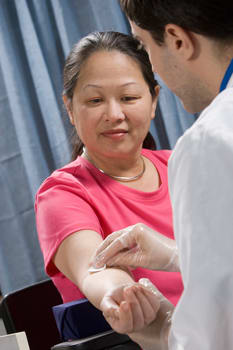
Tests
You may need to have some tests before your procedure. These may include:
- Blood tests. These help show how anesthesia may affect you.
- Electrocardiography (ECG). This helps show how your heart is working.
- Chest X-ray. This imaging test helps show the health of your heart and lungs.
Medicines
In the weeks before your surgery:
- Tell your doctor and anesthesia provider what medicines you take or allergies you have. These medicines include prescription and over-the-counter medicines, such as vitamins, herbs, and other supplements. Giving this information helps to keep you safe.
- You may be told to change some medicines you take. Or you may be told to stop taking medicines for a certain amount of time.
- Mention how much alcohol you drink and if you smoke. Also mention if you're allergic to any medicines.
- You will discuss any chronic health issues, such as asthma or diabetes, or other medical conditions.
Other preparations
- Follow any directions you're given for not eating or drinking before surgery.
- If you don't talk to your anesthesia provider before surgery, you'll meet the day of the procedure. They'll explain your anesthesia and answer your questions.
- Arrange for an adult family member or friend to drive you home after the surgery.
Note
Be sure to follow all your doctor's instructions. If you don't, your procedure may have to be rescheduled.


Related Articles
Having Laparoscopic Groin Hernia Repair: TAPP
A hernia is a bulge at a weak spot in the wall of the abdomen. Tissue or organs may press into the weak spot. This may cause symptoms of discomfort or pain. If left untreated, a hernia can get worse and may lead to serious problems. Surgery can be done to repair a hernia.
Maximizing Surgical Safety
Surgery is a complex process. There's a lot you can do as a patient to help your health care team keep you safe. This sheet suggests steps you can take before and after surgery to help you do your part.
Having Thyroid Surgery
You're having surgery to remove part or all of your thyroid. Learn what to expect before, during, and after the procedure.
Having Laparoscopic Groin Hernia Repair: TEP
A hernia is a bulge at a weak spot in the wall of the abdomen. Tissue or organs may press into the weak spot. This may cause symptoms of discomfort or pain. If left untreated, a hernia can get worse and may lead to serious problems. Surgery can be done to repair a hernia.


