You or a loved one may have had an accident or serious illness. If so, you are likely to be worried and afraid. Knowing more about the emergency room (ER) can help you feel less anxious.
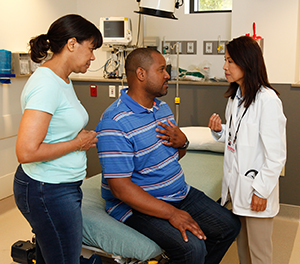
What is the emergency room (ER)?
The ER is a department in a hospital or medical center. You don't need an appointment there. But that means many people may need treatment at the same time. In that case, the most serious problems are treated first. If you feel that your condition has changed while you are waiting, tell the nurse who decides on order of treatment (triage).
When you arrive at the ER
You'll talk to a triage nurse as soon as you arrive. This is a nurse trained in emergency care. They will ask about your problem. The nurse will also check your temperature, pulse, and blood pressure. You'll see a doctor right away if your injury or illness is severe. Otherwise, you may be asked to wait. People who are more seriously ill are treated first. While you wait, you may have X-rays or lab work done.
Your emergency care
In the ER, a doctor or a team of providers and nurses will care for you. You may have X-rays or blood work. Or you may have other tests. You will need to wait for the results of any tests you have. You also may wait to see someone who specializes in treating your specific problem. In the meantime, you will be made as comfortable as possible. If your condition changes, let your doctor or nurse know right away. They may tell you they want to keep you so you can be watched but not be admitted to the hospital. Have someone check with your health insurance company about whether that service is covered.
Going home
You may be admitted to the hospital if you are very ill or need more evaluation or treatment. But you often can be treated right in the ER. Before a friend or family member takes you home, you'll be given written directions about how to care for yourself. You may also be given prescriptions for any medicines you need. Be sure to ask your doctor or nurse if you have any questions about the care you received. Also, be sure to ask if you need more instructions about your prescriptions or about the care you need after leaving the ER. If possible, get a copy of your test results and any treatments you received in the ER. These can be printed to keep for your records. Or you can get them through an electronic medical portal. Bring this information with you to any follow-up appointments.

Related Articles
Carbon Monoxide Poisoning
Carbon monoxide is a deadly gas you can't see or smell. Breathing in even small amounts can make you sick. Large amounts can be fatal. Know the signs and symptoms.
Emergency Information Form
In an emergency, it's easy to forget even the most well-known information. That's why it is vital for you to complete the information in this form for each person in your household.
Marine Bite or Sting
Learn how to care for yourself at home after a marine bite or sting.
Infected Laceration, Not Stitched
A laceration is a cut through the skin. If a cut has become infected, and too much time has passed since the injury, it cannot be closed. It will heal best if left open and cleaned daily.


