Ethylene oxide gas is commonly used to sterilize medical devices and equipment. It is a flammable gas with a slightly sweet (ether-like) odor. If the gas isn’t fully evaporated during aeration procedures, it can damage skin and other body tissue. You’ll be trained to work with this gas safely and to use the sterilization and aeration equipment correctly. Ask your supervisor if you have any questions.
Use PPE (personal protective equipment)
Wear the protective gloves, gowns, and masks your healthcare facility provides. Also, follow your employer’s system for keeping track of your exposure to gases.
Transport safely
Transfer equipment quickly and safely from the sterilizer to the aeration chamber. Keep equipment at arm’s length and away from your breathing area.
Follow aeration safety steps
Aeration allows gas to evaporate completely under controlled conditions in an approved chamber. Never open the door before the process is finished.
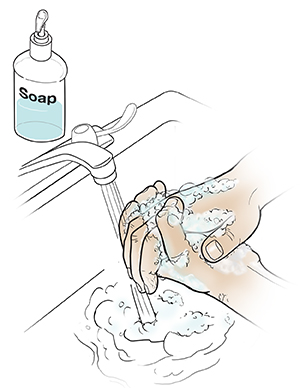
Wash your hands
Wash your hands before eating, drinking, or smoking.
Complications from exposure
Ethylene oxide can affect the skin, eyes, respiratory system, kidneys, adrenal glands, and nervous system. The exposed person may experience headache, vomiting, diarrhea, difficulty breathing, and weakness. It may also cause sterility, spontaneous abortions, birth defects, and cancer.

Related Articles
Dealing with Violence in the Workplace
Any workplace may be the site of violence or aggression between employees. Violence may be aimed at managers or coworkers. This may include starting rumors, using angry words, or taking physical action. In rare cases, violence may even take the form of armed assault.
Walkers: Bathing
Follow these instructions for safely getting in and out of the bathtub or shower when you use a walker.
Staff Ed: Chemicals
You'll be trained on the hazards of chemicals that you work with. For your own benefit, follow safety guidelines.
Reducing Risk of Work Related Musculoskeletal Disorders: Your Workstation
Whenever you can, make choices that reduce your risk of musculoskeletal disorder (WMSDs). Read on to learn about tips for your workstation.


