Folic acid is also called folate. It is one of the B vitamins. Nutrition experts are just starting to learn more about how folic acid helps the body. It is needed to prevent a shortage of red blood cells (a type of anemia). Experts have also found that folic acid can prevent some birth defects (neural tube defects).
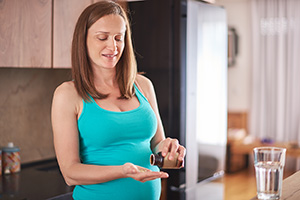
How much folic acid do you need?
Adults should have 400 mcg (micrograms) of folic acid each day. Adults may need more if they are planning to get pregnant, are pregnant, or are breastfeeding. Talk with your doctor to find the right amount of folic acid for you.
Why use a supplement?
Taking folic acid both before and during pregnancy is important. This can prevent birth defects of the spine and brain (neural tube defects). A supplement may also be helpful if you drink alcohol often. You may want to use a folic acid supplement if any of the following is true for you:
☐ I am a person of childbearing age.
☐ I am planning to get pregnant.
☐ I rarely eat leafy green vegetables, dried beans, or lentils.
☐ I rarely eat cereal and whole grains (wheat germ, brown rice, whole-wheat bread).
☐ I often have more than 1 drink of alcohol a day.
If you take folic acid
Here are some tips to help you get the most from a folic acid supplement:
-
Read the label to be sure the product won't expire soon.
-
Choose a supplement that provides 400 to 800 mcg of folic acid.
-
Store the supplement in a cool, dry place, away from sun and heat.
-
Eat a healthy diet to get all the nutrients your body needs.
Foods that have folic acid
Folic acid is found mainly in plants. Some good sources include:
-
Dark green leafy vegetables, such as spinach, kale, collards, and romaine lettuce.
-
Lentils, chickpeas, and dried beans such as pinto, kidney, and black beans.
-
Asparagus, bok choy, broad-beans, broccoli, and Brussels sprouts.
-
Avocados, oranges, and orange juice.
-
Wheat germ and whole-wheat products.
-
Products fortified with folic acid, such as cereal, pasta, bread, and rice.

Related Articles
Discharge Instructions: Eating a Low-Potassium Diet
People who have certain kidney problems may be told to follow a low-potassium diet. This sheet can help you get started.
Understanding Good Food Choices
Follow these tips to help you understand how to read food labels and make a healthy eating plan.
Healthy Eating While Traveling
Eating healthy when you are traveling can be tough. It is helpful to plan ahead. Below are strategies to help you.
Low-Fat Cooking Tips
Cooking with less fat may mean learning some new ways to cook. But it doesn't mean eating bland, boring food. And it doesn't mean spending hours in the kitchen. There are lots of ways to cook and season foods using less fat.


