Treatment for Parkinson disease has greatly improved over the years. Today, there are many treatments that can ease symptoms and improve your quality of life. These include medicines that help you control your movements. Staying active is also important. And if medicines aren’t helping, surgery may be an option.
Medicine
Medicines are the most important treatment for Parkinson disease. Most types replace missing dopamine or imitate the way dopamine works in the brain. This helps you have better control over your movements. If needed, your healthcare provider may also prescribe medicine for constipation, sleep problems, and other symptoms.
Activity and exercise
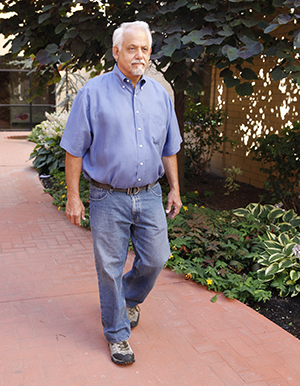
Staying active is another vital part of treatment. Regular exercise helps keep your muscles strong and loose. It’s also crucial for overall health. If you’re already active, stick with your routine as much as you can. If you’re not active, now’s the time to start. Ask your provider which activities are best for you. It also helps to do activities that engage your mind. These include hobbies, crafts, reading, and socializing with friends.
Surgery
Surgery isn't a cure. But it may be an option for people whose symptoms are no longer well controlled by medicine:
-
Deep brain stimulation. This is the most common type of surgery. And it's the type of surgery that's preferred in most cases. A thin wire is implanted in the part of the brain that controls movement. Electrical pulses are then sent through the wire. This can help disrupt brain activity that causes symptoms.
-
Lesioning (pallidotomy and thalamotomy). This type of surgery creates a small lesion in a certain part of the brain. The lesion blocks activity in the brain that causes tremors or uncontrolled movement. This may help you have better control over your movements.
Online Medical Reviewer: Anne Fetterman RN BSN
Online Medical Reviewer: Heather M Trevino BSN RNC
Online Medical Reviewer: Joseph Campellone MD
Date Last Reviewed: 04/01/2024
© 2000-2026 The StayWell Company, LLC. All rights reserved. This information is not intended as a substitute for professional medical care. Always follow your healthcare professional's instructions.
Related Articles
Focal Seizures (Partial Seizures): Know What to Do
Because seizures may happen at any time, it helps to be prepared. This is true even if medicine usually keeps your seizures under control. Start by telling those you live and work with about your health condition. Make sure they know what to do if a seizure happens
Burr Holes
Burr holes are small holes that a neurosurgeon makes in the skull to help relieve pressure on the brain. Read on to learn more about this procedure.
Spinal Fusion: Anterior Lumbar
Fusing vertebrae in the lumbar spine may help ease lower back and leg pain. Anterior lumbar fusion is done through an incision in your stomach area. Depending on how many vertebrae are fused, the surgery may take from 3 to 8 hours.
Having Vagus Nerve Stimulator Placement
A vagus nerve stimulator (VNS) is a device that can help prevent seizures. It can also treat depression, obesity, and other conditions. The pulse generator sits in your chest under your skin, and the leads run from the generator to a vagus nerve in your neck. The device is put in during a surgery.


