Caregivers often feel they must tend to their loved one's needs full time. But burning yourself out doesn't help anyone. And it can be bad for your own health. You can't take good care of someone else without taking good care of yourself as well. It's not selfish. It's vital. Take a break. Eat right. Get out and exercise. Most of all, accept that you can't do everything yourself.
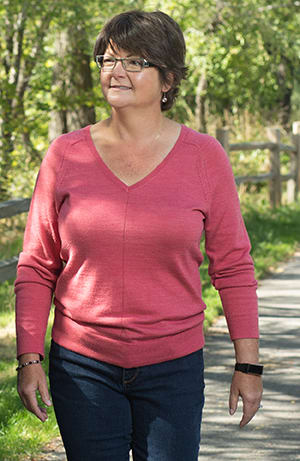
Give yourself a break
All of the things you do aren't equally important. Set priorities. That way you won't be busy all the time. Look after your health. Go for a walk each chance you get. Take a long bath. Lift your spirits by having lunch with a friend. Or do nothing for an hour. Just nap or relax.
Join a support group
Consider joining a caregiver support group where you can talk about your situation, or just listen. These groups help you know that you're not alone. They can give you ideas for coping and self-care. They may meet in person or online. In many cities, support groups are offered in languages other than English. Ask your doctor for information on options in your area.
Accept help
Knowing you can count on others can be a relief. Accept help when it's offered. And be willing to ask for help when you need it. Those who care about you really do want to help.
Bereavement and depression
Over time, after a serious health event, stress should slowly decrease. But your life may have changed. This may cause grief, both for you and your loved one. Contact your doctor if either of you shows signs of depression. Treatment, such as professional counseling, medicine, or both, can help you find hope, even when you think nothing can help. The earlier that treatment is started, the more effective it is. Signs of depression can include:
- Feeling down most of the time.
- Feeling guilty or helpless.
- Losing pleasure in things you used to enjoy, like reading, exercise, or social events.
- Sleeping less or more than normal.
- Having a big rise or fall in appetite or weight.
- Feeling restless or irritable.
- Feeling tired, weak, or low in energy.
- Having trouble focusing, remembering, or making decisions.
- Feeling angry or agitated (this may be more common in people assigned male at birth).
Featured in
Online Medical Reviewer: Jessica Gotwals RN BSN MPH
Online Medical Reviewer: Marianne Fraser MSN RN
Online Medical Reviewer: Rita Sather RN
Date Last Reviewed: 09/01/2025
© 2000-2026 The StayWell Company, LLC. All rights reserved. This information is not intended as a substitute for professional medical care. Always follow your healthcare professional's instructions.
Related Articles
Hospice: Caring for Your Loved One
You have a loved one who's receiving care at the end of life. You've been helping to make your loved one comfortable. As they move into the final stages, this sheet can help you find ways to help your loved one die with dignity.
Step-by-Step: Sitting with a Walker (Non-Weight Bearing)
Here are the steps for sitting with a walker when you can't put weight on your leg or foot.
Palliative Care: Bringing Comfort
Palliative care focuses on improving a patient's quality of life by improving their illness symptoms, such as pain, shortness of breath, and difficulty sleeping. It's used with a variety of ailments, such as cancer, chronic obstructive pulmonary disease, kidney failure, or congestive heart failure.
Preventing Falls at Home
An adult or child can fall for many reasons. Make your home safer to prevent falls.


