Interstitial lung disease is a group of conditions with inflammation and scarring around the tiny air sacs (alveoli) in the lungs. The changes make it hard to take in oxygen. Often, doctors don't know the cause. This is called idiopathic pulmonary fibrosis. Known causes are conditions, such as sarcoidosis and rheumatoid arthritis. You can also get it from breathing in hazardous materials, such as mold or asbestos. Some medicines, chemotherapy, and radiation treatments can also cause interstitial lung disease.
Treatment with medicines
Medicines may be prescribed to help reduce inflammation and stop more scarring. Take all medicines as instructed by your doctor. Talk with your doctor or pharmacist if you have questions or concerns about your medicines. Before using any over-the-counter medicines, vitamins, or herbal supplements, talk with your pharmacist about possible medicine interactions.
Medicines
There are 2 medicines approved for idiopathic pulmonary fibrosis: nintedanib and pirfenidone. These are antifibrotic agents. They slow the rate of fibrosis and lung scarring, but are not considered a cure for the disease. You will be watched closely for side effects while taking these medicines.
Your doctor may recommend other types of medicines, such as those that reduce swelling, treat acid reflux, and treat cough.
Your doctor may prescribe more than one medicine. They may have serious side effects. Talk with your doctor about what to expect if you take these medicines.
Taking medicines
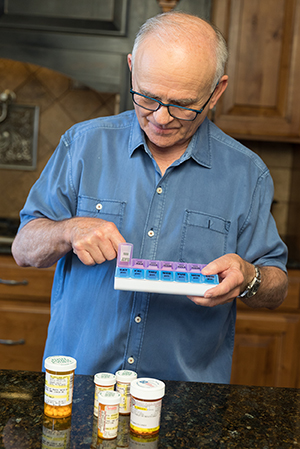
Try these tips to prevent problems with your medicines:
-
Take your medicine as you were told to, at the same time each day. Make it a habit.
-
Don’t run out of medicine. Order more while you still have at least a week’s supply left. Give yourself more time if you order by mail.
-
Take your medicines with you when you travel. Take an extra week's supply in case of travel delays. If you check your luggage at the airport, keep your medicines with you and not in your checked bags.
-
Buy all of your medicines at the same pharmacy, if you can.
-
Get a pill organizer with sections for the days of the week and times of day. Fill it once a week. Keep it in a place that will remind you to take your medicine. If you need help organizing your medicines, ask a family member or friend.
-
Talk with your doctor if you have trouble paying for your medicines. They may be able to prescribe less expensive medicines. And they may have free samples.
Make a list of all your medicines. This includes herbs and other supplements. Keep the list handy:
-
Show the list to all of your health care providers and your pharmacist.
-
Include the name of the medicine and why you take it. Write down how much you take and when you take it.
-
Change your list if your medicines change.
-
Keep a copy of the list in your wallet or purse, or on your electronic device. In case of an emergency, make sure a close family member or friend has an updated list.
Online Medical Reviewer: Jessica Gotwals RN BSN MPH
Online Medical Reviewer: Marianne Fraser MSN RN
Date Last Reviewed: 02/01/2025
© 2000-2026 The StayWell Company, LLC. All rights reserved. This information is not intended as a substitute for professional medical care. Always follow your healthcare professional's instructions.
Related Articles
Medicines for Chronic Obstructive Pulmonary Disease (COPD)
This sheet will help you keep track of the COPD medicines you need and when to take them. Bring it with you to your next office visit. Ask your doctor to help you complete it.
COPD: Using Inhalers
Some COPD medicines are taken using a device called an inhaler. The inhaler helps you take a measured dose of medicine into your lungs. Not all inhalers work the same way. Have your healthcare provider show you how to use and care for the type of inhaler you're given.
Using a BiPAP
A BiPAP is a type of ventilator, a device that helps with breathing. It may be used when a health problem is making it hard for you to breathe. Read on to learn more.
Lung Safety at Work
How much do you know about respiratory protection? Take this quiz to find out.


