Having asthma does not always mean having a complicated pregnancy. With correct asthma management and the right care during pregnancy, most people with asthma can have a healthy pregnancy.
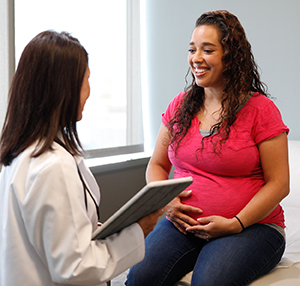
Asthma is one of the most common health problems that can complicate a pregnancy. In some cases, a diagnosis of asthma isn't made until a person becomes pregnant. Asthma affects a person during pregnancy in many ways:
-
More than 1 in 3 pregnant people have no change in their asthma symptoms.
-
More than 1 in 3 pregnant people have more severe asthma symptoms.
-
Symptoms may get worse as a person gains weight during pregnancy.
Treating asthma the right way during pregnancy is important. Uncontrolled asthma can lead to the pregnant person getting less oxygen. That, in turn, affects the developing baby.
Uncontrolled asthma can lead to any of the complications listed below.
Possible complications for the mother
When not controlled, asthma can put extra stress on the pregnant person, as well as on the baby. Lack of oxygen will not only affect the pregnant person, but also the baby. Other complications from uncontrolled asthma for the pregnant person are:
-
Preeclampsia (toxemia in pregnancy). This is a health problem of pregnancy marked by raised blood pressure, water retention, and protein in the urine.
-
Bleeding in pregnancy or hemorrhage after giving birth
-
Anemia
-
Depression
-
Higher rate of C-section
-
Giving birth too early (preterm or premature birth)
-
Pulmonary embolism. This is when a blood clot forms and travels to the lung. It can be life-threatening.
Possible complications for the baby
Lack of oxygen from the pregnant person to the baby can lead to many health problems in the baby:
-
The baby doesn't grow normally during pregnancy (intrauterine growth restriction This causes the baby to be smaller than normal for its gestational age.
-
Preterm birth
-
Low birth weight
-
The baby doesn't get enough oxygen (neonatal hypoxia)
-
The baby dies
Are asthma medicines safe to use during pregnancy?
Most asthma medicines aren't harmful to the developing baby or to the nursing baby. In fact, uncontrolled asthma may actually put you and your baby at far greater risk than the medicine used to control asthma. Always talk with your healthcare provider for a diagnosis. They can help develop an asthma treatment plan tailored to your symptoms.
How can a pregnant person lower the chance of having an asthma attack?
The American Congress of Obstetricians and Gynecologists advises pregnant people to take these steps to lower the risk of having an asthma attack during pregnancy:
-
Stay away from asthma triggers, including tobacco smoke and other irritants.
-
Use asthma medicines during the pregnancy, labor, and birth, as advised by your healthcare provider.
-
Exercise with moderation. Use medicine correctly if you have exercise-induced asthma. And talk with your provider before starting an exercise program.
-
Make sure to get a flu shot, if you will be in your second or third trimester of pregnancy during the flu season (fall and winter).
When should a pregnant person with asthma get emergency medical treatment?
Even with the correct asthma management plan in place, a pregnant person should know about certain warning signs that may point to an asthma attack, such as:
-
Current medicine does not give rapid improvement of symptoms.
-
Improvement from medicines does not last as long as it had before.
-
Breathing becomes harder.
-
Your baby's kick count decreases. This may mean your baby is not doing well (fetal distress).
Always talk with your healthcare provider about what asthma attack warning signs to look for and when to get emergency care.
Featured in
Date Last Reviewed: 09/01/2025
© 2000-2026 The StayWell Company, LLC. All rights reserved. This information is not intended as a substitute for professional medical care. Always follow your healthcare professional's instructions.
Related Articles
Blood Glucose Screening During Pregnancy
A blood glucose screening tests for gestational diabetes. Learn about who is at risk for this condition, what happens during a screening, what to know if you test positive, and how to treat it.
Labor and Childbirth: Your Body Prepares
Learn about the physical changes that often signal that your baby will soon be born.
TOLAC (Trial of Labor After Cesarean Delivery)
You've had a cesarean section birth. Now you may wonder if you can try vaginal birth with your next baby. It's likely you can. The attempt to have a vaginal birth after cesarean delivery is called a trial of labor after cesarean delivery (TOLAC). It's often a success. To find out more about TOLAC, read this health sheet.
Health Risks with Multiple Pregnancy
Most women who are pregnant with 2 or more babies have healthy pregnancies. But, the risk of complications is higher than with a single baby. If you are carrying multiples, know the warning signs of possible problems.


