Fecal incontinence is when you accidentally leak stool. It often occurs after vaginal birth. It can be embarrassing and distressing, but it can be treated. Bowel control often comes back after your body has had time to heal from pregnancy and childbirth.
What causes loss of bowel control during and after pregnancy?
Loss of bowel control most often occurs from vaginal birth. Sometimes the area between your vagina and anus (perineum) tears during childbirth. In other cases, your doctor may make a cut in this tissue (episiotomy). This is to help the baby’s head move through the vagina. The pressure and stress of vaginal birth can also injure your anal sphincter. This is the ring of muscle that controls when your anus opens and closes.
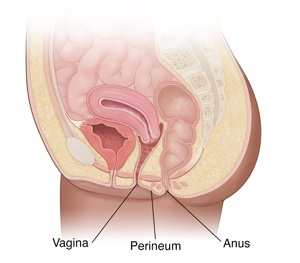
Other things can raise your risk for fecal incontinence after birth. They include:
-
Being an older mom.
-
Weighing too much (obesity).
-
Having a larger baby.
-
Having a longer labor.
-
Using forceps or vacuum extraction during birth.
Symptoms of fecal incontinence after birth
Symptoms include:
-
An urgent need to have a bowel movement.
-
Leaking gas or stool.
-
Diarrhea.
-
Constipation.
Treatment for fecal incontinence after pregnancy
Treatments include:
-
Changes to your diet. This includes not using artificial sweeteners. It also includes not having caffeine, dairy products, alcohol, or spicy or fatty foods.
-
Bowel retraining. This is having bowel movements at scheduled times.
-
Skin care. This might include using special medicines to protect your skin.
-
Hygiene. This includes using deodorants, pads, and gentle soaps and wipes.
Medical treatments include:
-
Medicines, such as those that stop diarrhea.
-
Biofeedback. For this, the health care provider puts sensors in and outside your anus. This helps you learn how to find and strengthen the anal sphincter muscles.
-
Pelvic floor muscle therapy. This includes Kegel exercises.
-
Surgery to fix the anal sphincter.
-
Sacral nerve stimulation. For this treatment, your doctor puts in a small device under your skin. It sends a signal to the nerve that controls the bowels.
-
Bulking products, such as psyllium.
-
Injection of a substance into the tissues around the anus. This helps tighten the anal opening.
-
Anal plugs.
When to contact your doctor
Call your doctor if you have new symptoms or if symptoms get worse.
Featured in
Online Medical Reviewer: Daphne Pierce-Smith RN MSN
Online Medical Reviewer: Mahammad Juber Medical Researcher
Online Medical Reviewer: Raymond Turley Jr PA-C
Date Last Reviewed: 05/01/2025
© 2000-2026 The StayWell Company, LLC. All rights reserved. This information is not intended as a substitute for professional medical care. Always follow your healthcare professional's instructions.
Related Articles
Understanding Round Ligament Pain in Pregnancy
Round ligament pain is a common problem in pregnancy.
Diabetes: After Delivery (Postpartum)
Pregnancy changes your body in many ways. If you have diabetes, pregnancy can also change how your body uses insulin. You’ll need to adapt your diabetes management plan before, during, and after giving birth. Your doctor will work with you to help you keep diabetes under control.
Blood Glucose Screening During Pregnancy
A blood glucose screening tests for gestational diabetes. Learn about who is at risk for this condition, what happens during a screening, what to know if you test positive, and how to treat it.
Pregnancy and Childbirth: Premature Rupture of the Membranes (PROM)
Premature rupture of the membranes (PROM) happens when the amniotic sac around your baby breaks before you go into labor. Read on to learn more.


