You may have questions about how chemotherapy (chemo) could affect your daily activities. Here are some answers to common questions and some of the adjustments you may need to make.
Will I still be able to work?
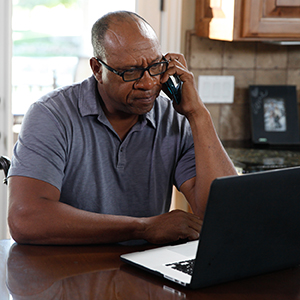
Some people still work during chemo. Your ability to work will depend on your treatment plan. It will also depend on what stage and type of cancer you have. It also depends on your overall health and the type of job you have. Talk with your healthcare provider about your ability to work. If you find you have less energy, you may need to talk with your employer about adjusting your schedule. For instance, it may help if you:
-
Work at home, work different hours, or reduce the number of hours you work.
-
Plan time off that fits best with your treatment cycle.
-
Take extended time off from work. The U.S. Federal Family and Medical Leave Act (FMLA) gives eligible employees up to 12 weeks of unpaid, federally protected leave in a 12-month period.
Should I exercise?
Ask your healthcare provider about starting exercise. Your ability to exercise will depend on the type of cancer you have, the treatment you're getting, and general health. Exercise may help improve extreme tiredness (fatigue) and concentration. It can also help with your physical abilities and help you sleep better. It can sometimes even help balance your appetite. It's also good for your sense of well-being. Make sure to:
-
Exercise when you feel most energetic.
-
Build your level of activity slowly, even if you were active before treatment.
-
Keep the pace moderate. Even small amounts of exercise can help. Instead of jogging, walk or ride a stationary bike.
-
Drink fluids to stay well-hydrated. And eat nutritious foods.
-
Your healthcare provider may refer you to a physical or occupational therapist to start you on an exercise program specific to your needs.
Will chemo affect my sex life?
Chemo can cause sexual changes, such as:
-
Changes in your desire and ability to have sex. You may prefer other ways to express intimacy, such as hugging and cuddling. Talk with your healthcare provider about any concerns or questions.
-
Short-term or lasting (permanent) infertility. Talk with your healthcare provider if you plan to have children. You may be able to bank or freeze sperm before starting chemo. Or you may be able to freeze embryos or eggs. Talk with your healthcare team before you start treatment.
-
Need for birth control. Most chemo medicines can cause birth defects if taken during pregnancy. Chemo can also cause damage to sperm. Ask your healthcare provider if you need to use birth control during and after treatment.
Featured in
Online Medical Reviewer: L Renee Watson MSN RN
Online Medical Reviewer: Rita Sather RN
Online Medical Reviewer: Todd Gersten MD
Date Last Reviewed: 09/01/2023
© 2000-2026 The StayWell Company, LLC. All rights reserved. This information is not intended as a substitute for professional medical care. Always follow your healthcare professional's instructions.

Related Articles
Life After Cancer: Mental (Cognitive) Changes
Cognitive problems are common after cancer treatment. It’s often known as “chemo brain.” Some people describe it as feeling like “brain fog.”
Cancer Care: Controlling Constipation
Difficulty passing stool (constipation) is a common side effect of chemotherapy and pain medicine. It can also occur if you're not getting enough exercise and nourishment. These tips can help.
Life After Cancer: Sleep Problems You May Have
Many people have sleep problems after cancer. Sleep problems can last for a long time after cancer and cancer treatment.
Help with Home Life and Beyond During Cancer Treatment
There are many resources for people with cancer. When you know where to go for help, you can focus on healing and feeling better.


