Infusion therapy is a safe way to take medicines or fluids that can’t be taken by mouth. With infusion therapy, medicines or fluids flow through a flexible IV (intravenous) tube called a catheter into a vein. The infusion site is usually on your arm or chest. A nurse will show you how to set up your home infusion system. Treatment will become part of your daily routine. Your supplies need to be kept sterile. That means they need to be germ free. Otherwise, they aren’t safe to use. Inspect, store, and dispose of supplies as directed by the nurse.
Inspecting your supplies
Here are tips for supply inspection:
-
Check the bag or bottle for leaks, cracks, broken seals, and contents that are cloudy or discolored.
-
Check the package for your name, and for the correct medicine or fluid name. Also check the expiration date.
-
Inspect all other supplies to be sure they’re sealed, clean, and dry, and have no cracks or tears.
-
Do not use if there are any errors or problems with the medicine, fluids, or supplies. Call your nurse.
Storing your supplies
Here are tips for supply storage:
-
Keep your supplies in a clean, dry place that’s out of the reach of children and pets.
-
Never store your medicine or supplies on the floor.
-
Store medicines or fluids as directed on the label. Some may need to be refrigerated. Take out refrigerated medicine 1 to 2 hours before treatment to bring to room temperature.
Disposing of used supplies
Here are tips for supply disposal:
-
Seal used dressings and tubing in a plastic bag. Throw the bag right in the trash—unless the nurse tells you otherwise.
-
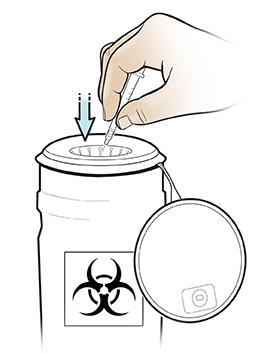
Put used needles, syringes, and other sharp items right into the sharps container without putting the caps back on. You will be instructed how to dispose of the sharps container once it is full.
Featured in
Online Medical Reviewer: Marianne Fraser MSN RN
Online Medical Reviewer: Rita Sather RN
Online Medical Reviewer: Susan K. Dempsey-Walls RN
Date Last Reviewed: 11/01/2023
© 2000-2026 The StayWell Company, LLC. All rights reserved. This information is not intended as a substitute for professional medical care. Always follow your healthcare professional's instructions.

Related Articles
Nutrition During Chemotherapy
During chemotherapy, the energy provided by a healthy diet can help you rebuild normal cells. It can also help you keep up your strength and fight infection. These guidelines can help.
Cancer Care: Controlling Diarrhea
A common side effect of cancer and cancer treatment is diarrhea. This is when you have loose, watery stools or pass stool more often than usual. To help limit this problem, try these tips.
Understanding Radiation Therapy
Radiation therapy is a common cancer treatment. It uses beams of high-energy X-rays or particles to kill cancer cells or keep them from growing.
Nail Care During Chemotherapy
Minor nail problems are common side effects of chemotherapy. These side effects occur because the treatment affects normal cells as well as cancer cells. To manage these side effects, try these tips.


