After surgery, you’ll be moved to a recovery room, also called the PACU (post-anesthesia care unit). You’ll stay there until you’re fully awake and stable. Then you’ll be moved to your hospital room. The length of your stay depends on what type of surgery you had, how your overall health is, and how well you’re healing. You’ll likely get on your feet within 24 hours after surgery. A nurse or physical therapist will teach you how to brace yourself, turn, and get out of bed safely.
Right after surgery
When you wake up from surgery, you may feel groggy, thirsty, or cold. Your throat may be sore. For a few days, you may also have:
-
Tubes to drain the incision
-
An IV (intravenous) line to give you fluids and medicine
-
A catheter (tube) to drain your bladder
-
Boots, compression devices, or special stockings on your legs to help prevent blood clots
-
A sensor attached to your finger to make sure you are breathing well
-
Electrocardiogram (ECG) leads to monitor your heart
-
Various medicines to control pain and prevent infection and blood clots
-
Stool softeners to help prevent constipation due to immobility and prescription pain medicine use
-
A nicotine patch if you smoke to reduce the urge to smoke
Pain control
You will likely have discomfort after surgery. You may receive oral or IV pain medicine. Or you may have a PCA (patient-controlled analgesia) pump. The pump lets you give yourself small amounts of pain medicine. Some pain is normal, even with medicine. But if you feel very uncomfortable, tell your nurse. Treating pain before it becomes severe often means that you will use less pain medicine overall.
Getting up and moving
Soon after surgery, you’ll be encouraged to get up and walk. This helps your blood circulation and prevents constipation. It also keeps fluid from building up in your lungs. To help you move, you may be given a brace to support your spine. You may also see a physical therapist who will teach you ways to protect your spine while lying down, sitting, standing, or moving. You'll also be encouraged to use an incentive spirometer to help your lungs expand to prevent pneumonia.
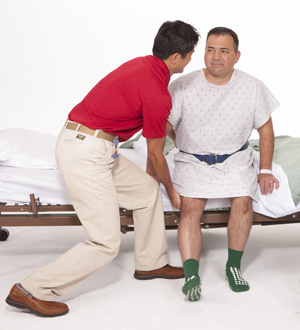
Supporting your spine
Abdominal muscles support the spine. Tightening these muscles to “brace” yourself helps prevent pain and reinjury.
-
Put your hands on the lower part of your stomach. Gently tighten your abdominal muscles by pulling in your stomach. Breathe normally without relaxing your abdomen.
-
You may be given a brace to keep your back stable. If so, you’ll be shown how to wear it.
Featured in
Online Medical Reviewer: Anne Fetterman RN BSN
Online Medical Reviewer: Luc Jasmin MD
Online Medical Reviewer: Raymond Kent Turley BSN MSN RN
Date Last Reviewed: 10/01/2024
© 2000-2026 The StayWell Company, LLC. All rights reserved. This information is not intended as a substitute for professional medical care. Always follow your healthcare professional's instructions.

Related Articles
After back surgery: More tips for daily living
Getting back to your daily routine means taking care to protect your back. These tips can help you.
Discharge Instructions for Scoliosis Surgery
Instructions for care after scoliosis surgery.
Advanced Exercises After Knee Replacement Surgery
Exercises after knee replacement surgery are an important part of your recovery.
After Hip Surgery: Mastering Daily Tasks
Read this for some tips about how to safely do your daily tasks after hip replacement surgery.


