After a lumbar epidural injection, you don’t need to stay in bed when you get home. In fact, it’s best to walk around if you feel up to it. Just be careful about being too active. Even if you feel better right away, don't do activities that may strain your back. And follow up on all treatment with your healthcare provider.
What to know about pain relief
Keep in mind that some people may feel more pain at first. It often goes away in a few days. You may also have headaches or trouble sleeping. But if these symptoms are bad, call your healthcare provider right away. These should also go away in a few days. In general:
-
An injection to reduce inflammation takes a few days to work, sometimes even up to 1 week. There may even be more pain at first.
-
An injection to help find the source of pain may give only brief pain relief. Later, you’ll feel the same as you did before the injection.
Tips for recovery
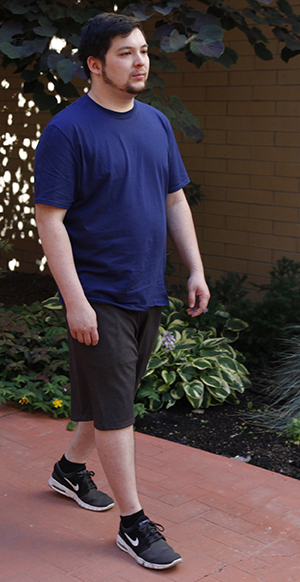
Whether you were injected for pain relief or diagnosis, these tips will help you recover:
-
Take walks when you feel up to it.
-
Rest if needed. But get up and move around after sitting for half an hour.
-
Don’t exercise vigorously.
-
Don’t drive the day of the procedure or until your healthcare provider says it’s OK.
-
Return to work or other activities when your healthcare provider says you’re ready.
When to call your healthcare provider
Call right away if you notice any of the following symptoms:
-
Severe pain or headache
-
Loss of bladder or bowel control
-
Fever of 100.4ºF (38ºC) or higher, or as directed by your provider
-
Chills
-
Redness or swelling around the injection site
Online Medical Reviewer: Jimmy Moe MD
Online Medical Reviewer: Maryann Foley RN BSN
Online Medical Reviewer: Ronald Karlin MD
Date Last Reviewed: 10/01/2024
© 2000-2026 The StayWell Company, LLC. All rights reserved. This information is not intended as a substitute for professional medical care. Always follow your healthcare professional's instructions.

Related Articles
Discharge Instructions: Caring for Your Plaster Cast
A cast helps your body heal by holding your injured bones or joints in place. Here is information on how to take care of your cast.
Discharge Instructions for Scoliosis Surgery
Instructions for care after scoliosis surgery.
Discharge Instructions: Using Crutches (Weight-Bearing)
Your healthcare provider has prescribed crutches for you. A healthy leg can support your body weight, but when you have an injured leg or foot, you need to keep weight off it. Once you are told that you can put some weight on your leg, use a "weight-bearing" method of walking as the leg heals.
Crush Injury of the Foot, No Fracture
A crush injury to your foot causes local pain, swelling, and sometimes bruising. There are no broken bones. Learn how to care for your injury at home.


