No one can predict who'll get a work-related musculoskeletal disorder (WMSD). In fact, many people never get one. Even so, you should know and reduce any activity-related or personal risk factors. Doing so is the best way to lower the risk of a WMSD. If you already have symptoms, knowing your risks is vital. You can't stop a problem unless you identify its cause.
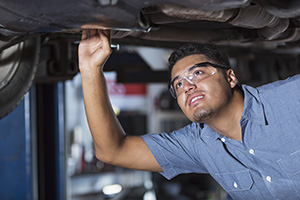
Activity-related risk factors
-
Posture. It's a problem when you slouch or when you bend, twist, or reach too far. Awkward postures overwork soft tissues and joints. Any body position can also be a risk if it's held so long that muscles tense up and blood flow is reduced (static posture).
-
Force. This is pressure or strain on the body. You create force when you grip or when you pull, push, or lift heavy materials. Contact force occurs when you lean or press against a hard surface or sharp edge.
-
Repetition. This is doing the same task or using the same set of muscles over and over again.
-
The environment. This is your surroundings, such as cold temperatures, vibration, and lighting.
-
Duration. This is the length of time you're exposed to a risk factor. The longer the exposure, the higher your risk.
-
Recovery time. This is the amount of time the body needs to rest after doing a repetitive task or being in an awkward posture. Recovery time becomes a risk when the time between activities isn't long enough for the body to recover.
Two risks are greater than one
The more often you're exposed to a risk factor, the more likely you are to get a WMSD. Your chance of injury also goes up greatly when risk factors are combined. For instance, frequent repetition becomes even riskier when it's combined with lots of force.

Related Articles
Handling Hazardous Materials at Home
Many common household products contain chemicals that can cause injury or death if they are handled, stored, or used incorrectly.
Water-Safety 101: Basic Guidelines
Every year, thousands of Americans are injured or killed in boating and swimming accidents. You can protect yourself and your family from such accidents by following these guidelines.
Be Careful with Kitchen Knives
With a few cutting-edge tips from experts who use knives for a living -- top chefs -- you can stay away from the biggest danger of kitchen work.
Preventing Falls: How to Prepare and What to Do
Falling is not something you want to think about. But it can make a big difference to plan ahead. If you're prepared, you'll know how to get help. And you'll be less likely to panic if you fall. This means you'll be able to do what's needed to get help right away.


